After years on links, I judge the best link building company by its methods, not its metrics. Choosing a link building company is one of the highest-stakes decisions in SEO, because the wrong one doesn't just waste your budget — it can leave you with a profile you'll later pay to clean up. After years doing nothing but links, I've learned that the company's methods matter far more than its metrics or its sales page. A firm that earns relevant, editorial links on real sites is worth ten that pump out cheap placements on networks nobody reads.
I haven't personally hired every company below, so I won't fake verdicts. Instead, here's what each is honestly known for, followed by the framework I use to judge any link building company before money changes hands.
🔥 Want links built by relevance-first manual outreach, white-hat only? Book a free call with Goldie Agency for a custom quote.
How I Judge the Best Link Building Company (Top 10)
1. Goldie Agency
My own company. We build links through manual, relevance-first outreach on sites with real audiences — white-hat only, because shortcuts age badly. Pricing is custom because a competitive niche and a quiet one need very different work; book a call for a quote tied to your goals.
2. Page One Power
A long-established, custom link building firm focused on manual outreach and editorial placements. Known for bespoke campaigns rather than off-the-shelf packages.
3. uSERP
Operates at the premium, authority-site end — digital-PR-style links on well-known publications. Expensive, but aimed at genuinely high-authority placements.
4. Authority Builders
A vetted marketplace plus done-for-you options where you can review each site's traffic and metrics before buying. The transparency makes avoiding farms easy.
5. FATJOE
One of the best-known productised providers — order links and content from a clear menu. Convenient and scalable; judge each placement on relevance.
6. The HOTH
Managed and self-serve link building with a tidy dashboard, widely used by agencies for predictable volume.
7. Stellar SEO
Custom, relationship-led outreach where relevance and editorial quality are prioritised over raw count.
8. Loganix
White-label-friendly links and SEO assets with clean reporting — a common supplier behind other agencies.
9. Outreach Monks
A well-known mid-market managed-outreach company at accessible prices.
10. Searcharoo
A marketplace for guest posts and niche edits with transparent metrics, useful for self-vetting placements.
How To Judge A Link Building Company
Forget the homepage adjectives and look at the work. Ask for three or four recent live placements — actual URLs, not a list of sites they 'can' get — and open them. Is the link inside a genuinely useful article on a site about a topic related to yours? Does that site have real organic traffic, which you can spot-check in a free tool, or just a high authority score sitting on a flat traffic line? A company confident in its methods shows you real examples without flinching; one that relies on networks gets vague.
Then ask how they choose anchor text and whether you can approve sites before placement. The right answers — natural, varied anchors and yes, you can approve — tell you they understand that a link profile has to look earned, not manufactured. Those two questions filter out most of the market on their own.
The Methods That Separate Good From Bad
Good companies do slow, unglamorous work: real prospecting for relevant sites, genuine outreach, and content worth publishing. Bad ones lean on private networks, link farms, and bulk placements that look impressive on a report and do nothing in the rankings. The tell is always relevance and real audience — a link only helps if it sits somewhere a real person might actually click it. Build on that principle and links compound; ignore it and you're renting trouble.
Red Flags That Should End The Conversation
Guaranteed rankings (nobody can promise that). Hundreds of links for a tiny flat fee. Refusal to show live URLs before payment. Sites covering wildly unrelated topics. Any one of these means walk away — cheap link building is the most expensive kind once you count the cleanup.
FAQ
How much should a link building company cost?
As a general industry range, quality links often run from roughly $100 to $500+ each, and retainers vary widely by niche. Far cheaper usually means networks or farms.
How long until links work?
Links take weeks to be crawled and valued, and rankings move over months. Treat a quarter as a fair first checkpoint, not a fortnight.
Can I learn to vet links myself?
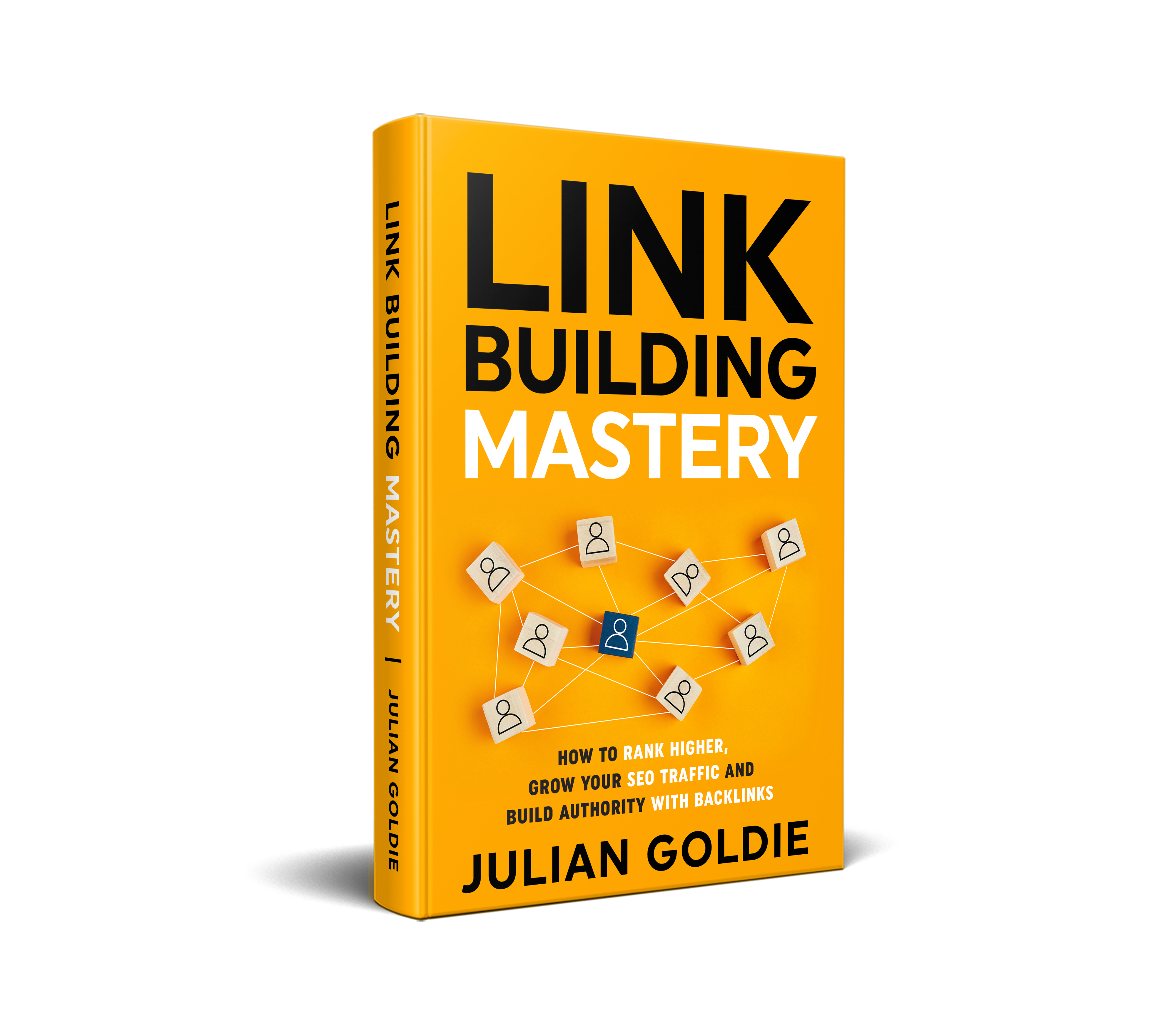
Yes — my free Link Building Mastery book covers it, and the SEO Elite Circle is where I share what's working. To hand it off, book a call.
Why Methods Beat Metrics
The single biggest mistake buyers make is shopping on metrics — picking the company quoting the highest 'DR' and assuming higher number means better link. Metrics are third-party guesses, easily inflated, and they tell you nothing about how a link was acquired. A high-authority page on a site built purely to sell links is worth far less than a modest, genuinely relevant page on a site real people read. The acquisition method is what determines whether a link compounds or quietly drags.
That's why I push so hard on understanding a company's process. A firm doing real outreach can explain exactly how it finds sites, what it pitches, and why a given placement is relevant to you. A firm leaning on networks deflects to dashboards and authority scores because the process won't survive scrutiny. When you interrogate methods instead of metrics, the good companies get more confident and the bad ones get vaguer — which is, conveniently, all the signal you need.
Anchor Text And Velocity
Two technical details quietly decide whether bought links help or hurt: anchor text and velocity. Anchor text is the clickable words your link sits on. A profile where every link uses your exact target keyword as the anchor looks engineered, because naturally-earned links are mostly your brand name, bare URLs, and generic phrases. A good company balances anchors against your existing profile rather than defaulting to exact-match — and if they place commercial anchors without even asking, that's a tell they don't understand the risk.
Velocity is the pace links appear. A real brand earns links steadily as it grows; a sudden spike of links to one page looks manufactured. So the best companies drip placements over time and vary the pages they point to, rather than dumping a batch in week one to hit a quota. When you brief any company, ask how they handle both. The right answers — natural, varied anchors and a sensible, steady pace — separate firms building you an asset from firms building you a footprint you'll regret.
Related Guides
Keep learning with our guides on the best link building services, the best guest posting services, and the best place to buy backlinks.
The Bottom Line
Judge a link building company by its methods and its live examples, not its metrics or promises. Start with #1 if you want it handled the right way, and run the rest through the framework above. Book a call for a custom quote.