After years building links, I rank the best link building services by outcomes, not activity. The hard truth about link building services is that most are selling activity, not outcomes. You pay, links appear in a report, and your rankings don't move — because the links sit on sites nobody actually visits. After years focused on links, I judge a service on one thing: would these placements have moved the needle if I'd built them myself?
I haven't bought from every company here, so I won't invent verdicts. Instead I'll tell you honestly what each is known for, then hand you the framework I'd use to vet any of them.
🔥 Want links built relevance-first by a team, not a marketplace? Book a free call with Goldie Agency for a custom quote.
The 10 Best Link Building Services
1. Goldie Agency
My own shop, built the way I'd want a link service built: manual, relevance-first outreach and white-hat methods only, because I'm not interested in cleaning up a penalty for you later. Pricing is custom because niches differ wildly in difficulty — book a call.
2. uSERP
Positioned at the premium, digital-PR end and popular in competitive niches like SaaS. The pitch is authority — links on sites that show up in real publications — at premium prices.
3. Page One Power
Known for custom, manual link building rather than off-the-shelf packages. Higher touch, and a fit when you want links earned to a brief.
4. Authority Builders
A vetted marketplace where you can review a site's metrics and, crucially, its traffic before buying. Good for operators who'd rather hand-pick than delegate the whole decision.
5. Editorial.Link
Markets itself on higher-end editorial placements earned through outreach — quality over quantity, suited to money pages.
6. FATJOE
One of the best-known productised services. Convenient and predictable; I'd treat it as a volume and tier-two tool rather than the way to crack your hardest commercial terms.
7. The HOTH
Managed and self-serve packages with a tidy dashboard, widely used by agencies. A reliable workhorse — judge each placement on relevance.
8. Loganix
Popular as a white-label-friendly source of links and other done-for-you SEO assets, with clean reporting.
9. Stellar SEO
Known for custom, relationship-led outreach where relevance and quality beat raw count.
10. Outreach Monks
A well-known mid-market managed-outreach option at accessible prices — sensible when scaling on a budget.
How To Vet Any Of These
Forget Domain Rating for a second. The three things that predict whether a link moves rankings are topical relevance, real organic traffic, and how the site was acquired. A high-'DR' page with no visitors is a tombstone, not a link. Before you commit to a package, order one link and ask: did it land on a site that ranks for real terms, does the content read like something a human chose to publish, and would I have pitched that site myself? If any answer is no, don't reorder.
Red Flags That Should Stop A Purchase
Guaranteed 'DR' with no traffic data. '1,000 links for $99.' Private blog networks dressed up as outreach. Any provider that won't show the live URL before payment. In link building, cheap and bulk is almost always the expensive option once you factor in the cleanup — a manual action costs far more to undo than doing it properly would have.
FAQ
How much should link building cost?
As a general industry range, quality placements often run from roughly $100 to $600+ each depending on the site's authority and real traffic. Far cheaper usually means a network or a no-traffic page.
How many links do I need?
Fewer than most people think. A handful of genuinely relevant links to a strong page usually beats dozens of weak ones, and it looks far more natural.
Should I learn link building myself?
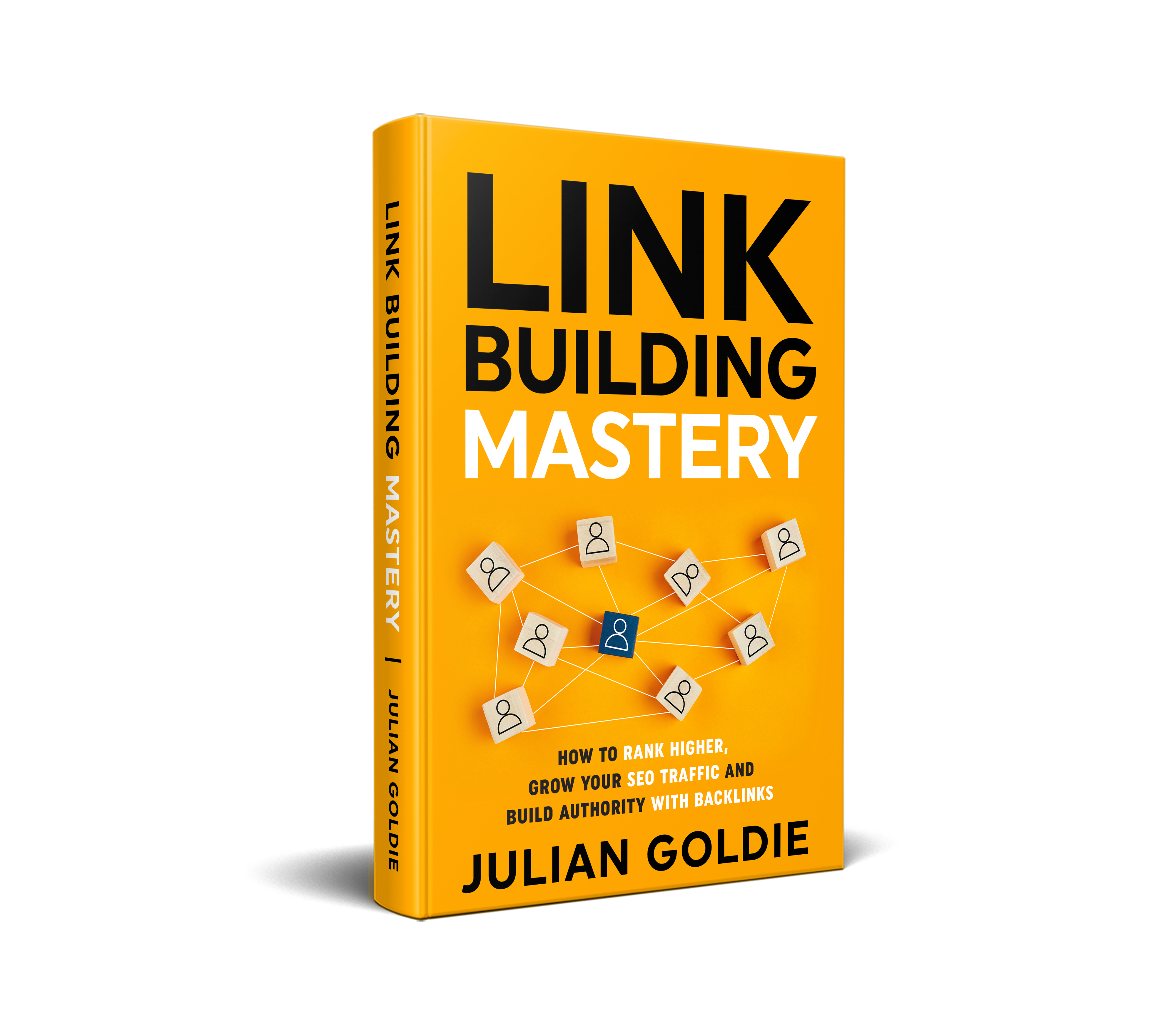
You'll be a better buyer for it. My free Link Building Mastery book covers the whole process, and the SEO Elite Circle is where I share what's working now. To outsource, book a call.
Anchor Text And Velocity: The Details Most Services Skip
Two things separate a link profile that looks earned from one that looks bought, and most cheap services ignore both. The first is anchor text. If every link pointing at your money page uses the exact keyword you want to rank for, that pattern screams 'manipulated' to Google. A natural profile is mostly branded anchors (your company name), naked URLs, and generic phrases like 'click here' or 'this guide', with only a small slice of exact-match. A good service either follows that distribution by default or lets you specify it; a bad one hands you ten exact-match anchors and calls it a day.
The second is velocity — the rate at which links appear. Real sites earn links in fits and starts: a burst when they publish something good, quiet stretches in between. Buying fifty links in a week to a brand-new page is the opposite of that, and it's a classic footprint. When you scale with any service, scale gradually and let the profile breathe.
There's also the question of where on a site your link sits. A link inside the body of a relevant article passes more value and looks more natural than one stuffed in a sidebar, footer, or author bio across hundreds of pages. When you review a service's sample placements, check the link is genuinely editorial — part of the content — not bolted onto the template.
Finally, think about the link's neighbours. A page that links out to a casino, a payday lender, and your SaaS in the same breath is telling Google exactly what kind of page it is. Relevance isn't just the site's topic; it's the company your link keeps. The services worth paying for understand all of this without being asked, which is exactly why they cost more than the bulk shops — and why they're cheaper in the long run.
Related Guides
Explore more in our guides to the best link building company, the best guest posting services, and the best blogger outreach services.
The Bottom Line
Pick relevance over metrics, pay for fewer better links, and never reorder from a service whose first placement you wouldn't have been proud to build yourself. Start with #1 if you want it handled — book a call for a custom quote.