Everyone says "you need backlinks" — and then explains it in jargon that assumes you already know what they are.
This guide doesn't. If you've never built a link in your life, this is your starting point. Plain English, every term explained, and the 5 easiest ways to get your first backlinks without spending a penny.
What a backlink actually is
A backlink is simply a link from another website to yours.
That's it. When another site links to your page, Google treats it a bit like a recommendation — a vote of confidence. The more quality sites that "vote" for your page, the more Google trusts it, and the higher it tends to rank.
This is why link building matters: it's one of the biggest factors in whether your pages rank. You can have perfect content, but if nobody links to you and your competitors have hundreds of links, you'll struggle to outrank them.
Why beginners get stuck
Most beginners get stuck for one of two reasons:
1. They think link building means begging. It doesn't. Good link building means creating something worth linking to, then telling the right people it exists.
2. They try to buy links. The $5 "1,000 backlinks" offers are a trap — those links come from junk sites and can actively hurt you. Real links are earned, not bought.
Get past those two and link building becomes a repeatable skill, not a mystery.
The one principle that makes it click
Here's the mental shift that makes everything easier:
The internet doesn't link to people. It links to things.
Nobody links to "a nice person who emailed me." They link to a useful tool, a surprising statistic, a definitive guide, a helpful resource. So the question isn't "how do I get links?" — it's "what can I make that's worth linking to?"
Get that right and link building stops being begging and starts being offering.
The 5 easiest ways to get your first links
These are the beginner-friendly methods that need no budget and no existing reputation.
1. List your business in real directories
Not spammy link farms — genuine, relevant directories. Your local chamber of commerce, industry associations, "best X in [city]" lists, niche directories. These are easy, legitimate first links that also drive real referral traffic.
2. Reclaim unlinked mentions
Sometimes people mention your brand without linking to it. Search Google for your brand name, find mentions that don't link to you, and politely email asking them to add a link. High success rate — they already know you.
3. Be a source for journalists (HARO-style)
Journalists constantly need expert quotes. Services like Connectively, Qwoted, and Featured connect them with sources. Answer relevant requests with a useful 2-3 sentence quote and you can earn links from major publications — even as a beginner. (This is also one of the highest-authority link types; the advanced version is covered over at Backlink Blueprint.)
4. Write a genuinely useful guest post
Find blogs in your niche that accept guest posts, pitch a specific, genuinely useful article, and include one natural link back to a relevant resource on your site. The exact outreach email that works — tested to an 18% reply rate — is broken down in our guest post outreach template.
5. Build one "linkable asset"
Make one genuinely useful thing: a free checklist, a simple calculator, an original stat roundup, or a definitive beginner's guide (like this one). Then tell people it exists. A single good asset can earn links for years.
What NOT to do as a beginner
A few traps that will waste your time or hurt you:
- Don't buy cheap links. They're junk and risky.
- Don't use exact-match anchor text every time. If every link to you says "best running shoes," that pattern looks unnatural. Vary it; mostly use your brand name or the page title.
- Don't expect instant results. Links take weeks to be crawled and credited. SEO is a compounding game.
- Don't ignore relevance. A link from a relevant site is worth far more than a random one. Quality and relevance beat quantity every time.
Your first 30 days
Here's a realistic beginner plan:
- Week 1: List in 5-10 relevant directories. Reclaim any unlinked brand mentions.
- Week 2: Sign up for a HARO-style service. Respond to 3-5 relevant journalist requests.
- Week 3: Build one simple linkable asset (a checklist or guide).
- Week 4: Pitch 10 relevant blogs for a guest post using a proper outreach email.
Do that and you'll have your first 5-15 real backlinks inside a month — earned, safe, and relevant. That's a genuine foundation.
Where to go next
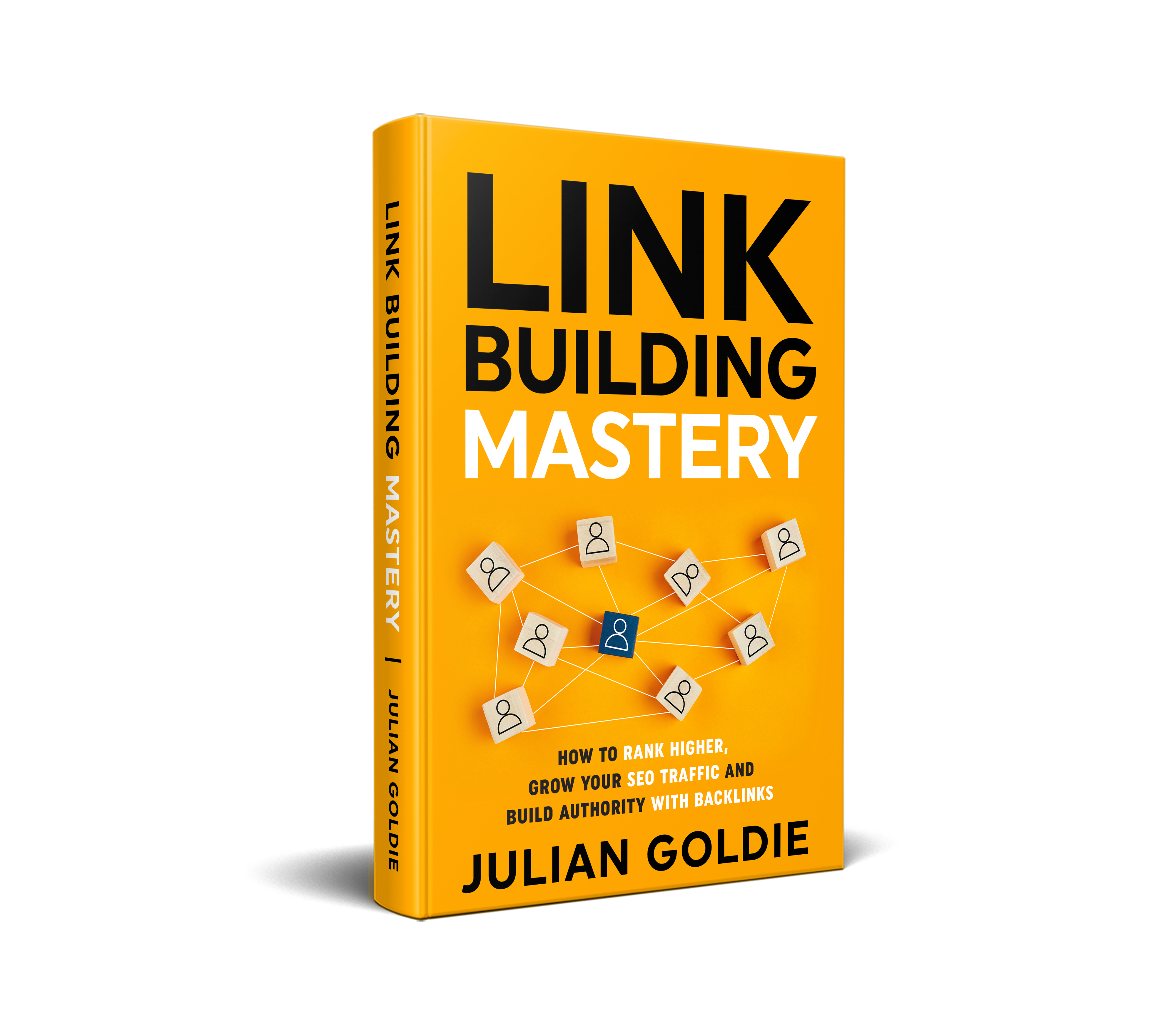
Everything above is the beginner layer. The complete system — asset-first link building, outreach at scale, digital PR, the relationship engine, and how to turn 3 links a week into a ranking moat — is in my free book.
Link Building Mastery is 200+ pages, completely free. It picks up exactly where this guide leaves off. Drop your email and it's yours.
And once you've ranked a few pages and want eyes on your specific site, the Free SEO Audit will show you whether links are actually your bottleneck — or whether something else is holding you back first.